
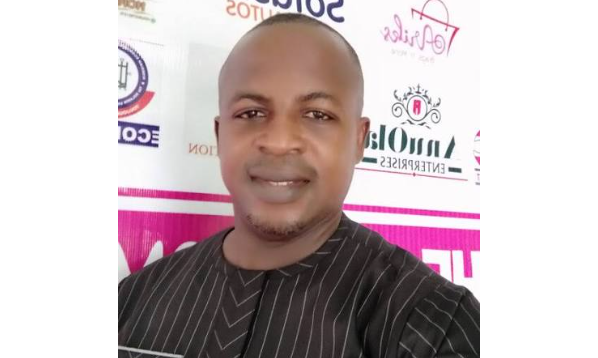
An economist and lecturer at the Tai Solarin Federal University of Education ijagun, Ogun state, Professor KUNLE OSHINUSI, has questioned the justification for the Federal Government’s plan to secure fresh loans totalling 1.5 billion dollars from the World Bank.
Professor OSHINUSI raised the concern while featuring on Super FM’s current affairs programme, The Issues, following reports that the Federal Government is discussing three proposed 500-million-dollar financing facilities with the World Bank.
The proposed facilities are targeted at climate resilience, social protection and early childhood development.
The facilities are still under consideration and have not been approved, with the World Bank expected to consider the first 500-million-dollar climate-resilience facility in October.
Professor OSHINUSI argued that the Federal Government should first demonstrate how previous borrowings have been utilised and the extent to which they have achieved their intended objectives before taking on additional debt.
He said borrowing should primarily be directed towards productive investments capable of creating jobs, supporting businesses, increasing household incomes and reducing poverty, rather than being used merely to meet immediate needs.
The economist also questioned the effectiveness and accountability of government-funded social intervention programmes, including initiatives targeted at vulnerable Nigerians. He called for stronger monitoring to ensure that funds approved for such programmes actually reach their intended beneficiaries.
His concerns come as Nigeria’s total public debt rose to ₦166.79 trillion as of June 30, 2026, up from ₦159.35 trillion recorded at the end of March. The proposed World Bank financing would add another 1.5 billion dollars to Nigeria’s financing pipeline if eventually approved.
Professor OSHINUSI further stressed that accountability for public borrowing should not rest solely with the executive, saying government agencies implementing projects and the National Assembly, which approves borrowing, also have important roles to play.
He also raised concerns about possible conditions attached to some international loans and questioned whether some of the proposed interventions could instead be financed through domestic revenue, particularly against the backdrop of the Federal Government’s reported savings from the removal of the petrol subsidy.
The World Bank says its Nigeria programmes include investments in areas such as early childhood development and targeted support for vulnerable households, while stressing the need for better-targeted support and stronger human-capital investment.
The debate over the proposed borrowing is therefore centred not only on the size of Nigeria’s debt, but also on whether additional loans can be tied to measurable development outcomes and transparent utilisation of public funds