
Fresh cracks may be emerging within Nigeria’s ruling political structure as a group of young members defected from the All Progressives Congress to align with the Nigerian Democratic Congress, in a move that underscores growing dissatisfaction among youth constituencies.
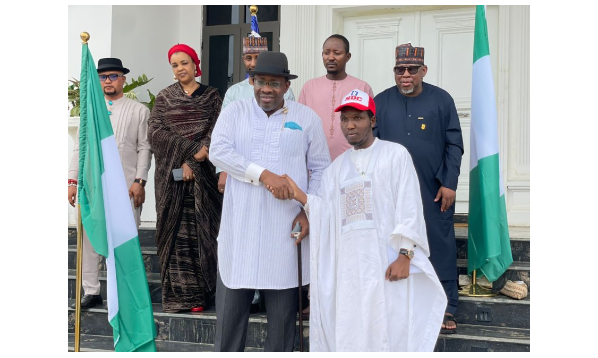
The defectors were formally received in Abuja by former Bayelsa State Governor, Seriake Dickson, alongside party leaders, marking what observers describe as an early signal of political realignment ahead of future elections.
Led by former APC youth adviser Nasir Lawal, the group cited deepening marginalisation of young people and women within the ruling party as a key factor behind their decision. According to Lawal, many grassroots members have become “internally displaced,” with influence and opportunities increasingly concentrated among a narrow elite.
He further criticised what he described as a disconnect between party leadership and pressing national issues, particularly insecurity, arguing that governance priorities have been overshadowed by political calculations.
The movement to the Nigerian Democratic Congress, he said, reflects a deliberate shift toward a more inclusive and people-focused platform.
In his response, Dickson framed the defection as a sign of rising political awareness among Nigerian youths, commending the group’s decision and assuring them of full integration into the party’s structure. He reiterated the party’s commitment to inclusivity, highlighting policies that promote youth participation and increased representation for women.
Dickson also tasked the new members with expanding the party’s grassroots reach, positioning the NDC as a growing alternative platform amid evolving political dynamics.
The development highlights a broader trend of shifting loyalties within Nigeria’s political landscape, particularly among younger demographics, where calls for internal democracy, inclusiveness, and issue-based politics are gaining traction.
As the next electoral cycle approaches, such movements could reshape party structures and influence the balance of political power, especially if similar defections gain momentum across other regions.