
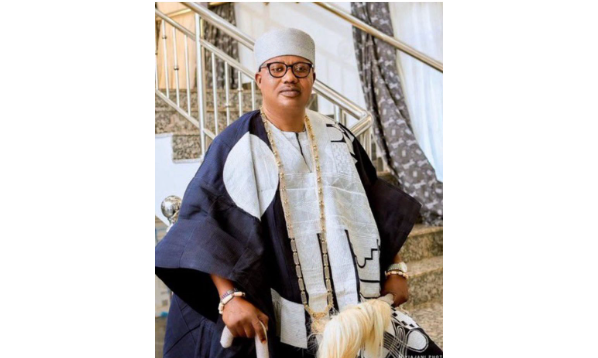
On March 25, 2026, the ancient town of Makun Omi breathed a collective sigh of relief as news spread that the protracted seven-year dispute over the Osobia stool had finally been resolved. The long-standing conflict, which had divided families and strained community relations, reached a turning point with the formal withdrawal of a lawsuit challenging the ascendancy of Oba Kazeem Adeshina Salami.
The case, which had been before the High Court of Ogun State in the Abigi Judicial Division, was officially struck out following the claimants’ decision to discontinue legal proceedings. In a court document dated March 17, 2026, Hon. Justice O. H. Ojajinmi confirmed that the matter had been withdrawn on the instruction of the claimants, clearing the way for peace and reconciliation in the town.
The resolution was the fruit of behind-the-scenes mediation led by a local reconciliation committee chaired by respected indigene, Mrs. Dupe Okesanjo. Through a series of dialogue sessions, key stakeholders, elders, and concerned parties were brought together to address lingering grievances and foster mutual understanding.
“Through patience, dialogue, and a shared love for our community, the parties chose unity and progress over prolonged conflict,” Mrs. Okesanjo said. She described the withdrawal of the suit as a historic moment, emphasizing that the agreement left no victor or vanquished—only a commitment to peace and development.
The Reconciliation Committee, represented by Otunba Gbenga Onayiga, reaffirmed its dedication to sustaining harmony and fostering long-term unity in Makun Omi.
Community members expressed optimism as the town looks forward to a new era marked by cooperation, infrastructural growth, and social cohesion. The end of the dispute not only restores the town’s unity but also opens avenues for progress, signaling a fresh chapter in Makun Omi’s rich history.
As the sun set on that historic day, Makun Omi emerged stronger and more united, embracing a shared vision for a brighter, harmonious future.